Monday, 18 October 2021

15 easy vastu tips for your home

 When it comes to our new home, we do everything to make sure it is absolutely perfect. A part of that process involves making sure our house is Vastu Shastra compliant.


Even if you didn’t take Vastu into account when you were shifting into a new home, but it’s never too late. After all, it is not feasible to rebuild your home to correct all the “Vastu Dosh”, and for that reason, we have put together these 15 easy Vastu tips for you .


15 easy vastu tips for your home
Credits : freepik.com


1. MASTER BEDROOM

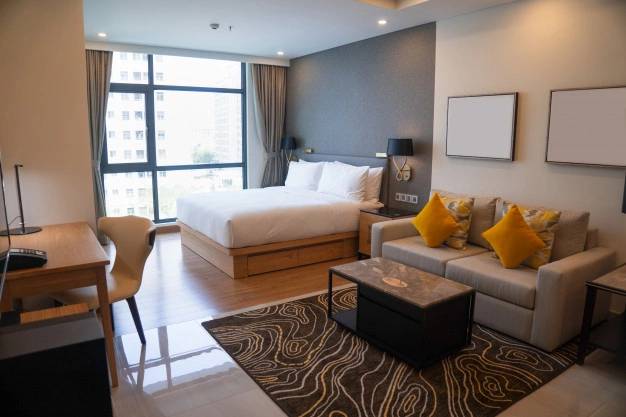
Master bedroom is one of the most important rooms in the entire house as it belongs to the head of the family. The headboard of the bed should always be placed on the eastern or southwestern side. This would help give the family a long and healthy life.

2. LIVING ROOM

Another area that most of us make mistakes with is our living room. The sofas in the room should be places in the south and west corners. You can use the entire “L” shaped corner to place as many sofas as you can fit.

3. COOKING POSITION

Cooking is a daily chore for most of us, but did you know that there is a particular side that you should be facing while doing it every day. Eastern side is considered the most auspicious in Vastu Shastra and facing it while cooking can help turn your household energy into positive.

4. PAINTING AND SCULPTURES

One of the easiest Vastu tips that we can give you is to add some paintings or sculptures in your homes. These decoration items should showcase lively things like sunrise, flowers or even animals. This will introduce positive vibes into your homes.

5. CURTAINS

Curtains are something that all of us have at our homes. But the thing that most of us don’t know is that we are supposed to use only light color fabrics for our curtains. Pastel colors like baby pink, blue or yellow can help make us feel calmer.

6. MIRRORS

Another easy tip to introduce positive energy or vibes in our home is by adding mirrors wherever we can. This helps reflect pure energy into every corner of the house making us feel even more comfortable.

7. POTTED PLANTS

Adding potted plants in our house is also a good way to correct some of the Vastu dosh. This gives you a great landscape and also helps cover up some of the negative impacts that the already present Vastu problems are causing.

8. LIGHTING

It is said in Vastu Shastra that having dim lights throughout the house can affect the vibe of the place. To have a more energetic feel in your house, lighting up every room properly is essential.

9. JEWEL CABINETS

Jewelry or valuables are considered a gift of goddess Lakshmi in Hindu culture. For this reason placing the cabinet or cupboard holding your valuables in the right position is a must. Such lockers should always be on the southwest side avoiding the corners.

10. DINING AREA

The dining area is one such room that affects the entire family as it is a place where everyone eats together. The correct place to set up your dining table is the northwest side of the room or kitchen.

11. STUDY TABLE

Families that have kids or are working from home always have a study table. The best place to keep your table is either the east or the north side. This will help your kids built their concentration.

12. AQUARIUMS

Another trick to overcome some of the Vastu problems that your house might have is by adding an aquarium. Live aquatic animals cut down the negative energy that your house might be reflecting.

13. ELECTRIC APPLIANCES

Electrical appliances that give out energies of their own should always be kept in the right direction. For heating appliances like gas or ovens, they should be places in the southeast direction. While for cooling appliances like AC or fridge they should always be on the northwest side.

14. WALL COLOR

The wall color of your room has a great effect on your mood and for this very reason having lighter color walls is recommended. Colors like dark red, black or brown should be avoided.

15. POOJA ROOM

Every Indian home always has a separate pooja room, which is considered a sacred place. The flooring of the room should always be of marble as the stone is considered auspicious for temples.

Thursday, 23 September 2021

A guide to choosing wall colours for each room of your house

Wall colour ideas for the living room


The living room is one of the most important areas of a home, as one tends to spend most of the time here, with family members. It is also the place where home owners entertain guests. You can pick earthy or neutral shades for this area, including aqua mint, French vanilla, emerald green or white. If you want regular colours for your home, you can pick grey, blue or beige. Black is an unusual colour for the living room but you can use it, if you want to add a non-obvious element to your living room.



Simple pooja room designs for Indian homes
Credits : freepik.com


Wall colour ideas for the dining room


If you want your dining room to look compact and cosy but full of energy, you can pick warmer tones of red and yellow. If you want to make the room look bigger, opt for brighter tones of green, yellow or purple colours for the dining room and perk it up with drapes in complementing colours. You can also use metallic wallpaper, to add some glam to the room.


Wall colour ideas for the study room


While red is the perfect colour for improving focus and concentration, you can also experiment with different shades of green, deep greys or silver, as these shades are said to improve creativity and help in focusing. Orange and yellow are other preferred colours for the study room, as it increases alertness.


Wall colour ideas for children’s rooms


Pale pink, baby blue or softer tones of yellow, are the most popular colours for children’s rooms. Since these are soothing hues, they will have a calming effect on your child. Also, if you want to pick some unusual colours for the room, make sure you select a brighter shade, to add some enthusiasm.


Wall colour ideas for the bedroom


The bedroom should be painted in soothing colours, to make it the most calming place in your home. You can pick colours like lavender, soft green, pale blue, soft grey and deep blue, for your bedroom. You can also pick lighter tones of these colours or alternatively, you can select cream or white colour for your bedroom.


Wall colour ideas for the guest room


You can pick a combination of colours for decorating your guest room, such as eggshell hues, shades of lemon, creamy neutrals or sea colours. Additionally, a chocolate brown colour is a perfect selection for your guest room, to make it look cosy and comfortable. You can complement it with solid wood furniture, to make your guests feel welcome.


Wall colour ideas for the kitchen


Ideal colours for the kitchen include white, grey, yellow and green. These colours will make your kitchen appear bright. Warmer tones stimulate the appetite. So, you can select hot chilli or orange colour, to make your kitchen a foodie’s haven.


Wall colour ideas for the bathroom


Use any cooler tones of blue, green, or creamy white, to paint your bathroom into a relaxing zone of your home. Grey and pure white are other options, if you do not want to experiment. Pistachio is another modern colour tone that you can select, to convert your bathroom into a soothing space.


Wall colour ideas for the exterior


Choosing a perfect colour for the exteriors is equally difficult. The exterior look defines the personality of not just the house but also its occupants. Therefore, it has to be chosen, keeping in mind the overall vibe of the house. If the key theme is minimalism, you might want to keep the exterior simple and classy. You can opt for glass panels, along with brick tiles in different colours. Other than this, the latest trend is to use pop colours with a combination of deep blue or cream. While white is one of the most popular options to choose from, its maintenance and frequent white-washing will be an added expenditure for you.


Wall texture paints


Texture paint, unlike flat paint, gives a slightly rough and gritty look to your walls. This adds a rustic appeal to walls, which is far better as compared to wallpapers or any type of paint finish. To get this look, you can opt for simple paint swatches for a focal wall featuring beautiful textures. Since textured focal walls can add shadow, depth and structure to a bedroom in a beautiful and unique way, people prefer decorating the focal wall – usually the one behind the headrest – with textured paint.


Types of wall texture paints


Mosaic texture: This texture gives a tile-like appearance. It is achieved, using combing texture application techniques, where comb-like instruments or stencils are used to create patterns such as zigzags, checkerboards, wavy lines or swirls in wet paint, to attain the desired effect. Rustic texture: To give your bedroom a cool, raw feel, dip a rag into the paint, squeeze out the excess paint and roll it along the wall for a gorgeous, uneven look. Brick texture: A brick texture can be created by applying a brick-like pattern over the focal wall, using a stencil roller, which can be dipped in thick paint and then rolled across the wall. Marble texture: To give a Victorian look to your walls, opt for marble texture. This can be attained by the process of smooshing, where a glaze is applied to a wall, on which a plastic sheet is then placed, before it dries. Faux animal skin: You can opt for faux crocodile wallpaper, to add texture to an otherwise clean, classic space. Dark colours with a little gloss over them, blend well with open spaces. Neutral glasscloth: Such wallpapers bring out warmth, while also introducing texture, as it is made from natural fibers. Ideal for cozy settings, this is a must-have for a small living room.


Things to know about wall texture paint


Usually, there are four types of texture paints: tactile, natural, artificial and visual. When combined with each other, these give more versatile options. It is important to scrub the walls with sandpaper before applying the texture paints, to get the optimum look. Applying primer is also important, to get the required finish. The textures can be easily made with simple paint strokes, rollers and stencils, or with materials like stone and wood. Before applying wall paint textures, it is mandatory to scrape the walls, to remove any glue, debris and other solid particles. Although there are several ways to scrape the walls, the easiest way is to use sugar soap solution. You can mix some amount of sugar soap with water and rub it over the walls a couple of times to end up getting a clean wall.


Types of paints and finish for home wall colours


Once you have decided the wall colours, you have to be sure which paint is best for your home. The type of paint you choose is as important as the colour and can have a major impact on the final look of your room, the quality of the paint job and the overall vibe that you want to have. To decide the type of paint, it is important to consider factors such as how big the room is, where the room is located and what kind of look you are planning to achieve. Here are different types of wall paints and their advantages and disadvantage


Type of wall paintAdvantagesDisadvantages
Water-based paintsEasy to use, doesn’t require a pre-treatment, quick drying, can be used on almost all surfaces, doesn’t fade in sunlight.Don’t last long, doesn’t give a rich look, can peel from dampened walls.
Oil-based paintsGives a glossy look, good for high-moisture rooms, easy ‘leveling’, durable finish.Takes too long to dry, Very hard to wash and has a messy process.


Type of wall paint finishFeatures
Matte paintLeast reflective sheen, velvety texture, hides imperfections in walls and offers great depth of colour.
Eggshell and satin paintImproved durability, somewhat reflective and easy to clean.
Semi-gloss and gloss paintMost reflective, ideal for accent walls, highly durable and easiest to clean.


Where to use which type of paint colour at your home


Type of paintArea
Acrylic paintCeiling and living room walls.
Mid-sheen emulsions like silk or velvetFor rooms which get medium or low sunlight.
Low-sheen paintsCeilings and rooms which get direct sunlight.
Matte finishDeep-coloured walls which get more than usual sunlight.
Semi-gloss paintFor bathrooms and kitchens or areas which are exposed to humidity.
High-gloss paintFor wooden and metal surfaces.
Teflon surface protector paintsKids’ room or areas that are prone to staining.
Weather-coat external paintExteriors.


Tips for choosing the perfect colours for your home


1. Stick to your favourite colours: It will be your personal guide to choosing colours. For example, simply open your wardrobe and understand your subconscious preference and choose the colour that your mind picks.

2. Use existing furniture to select an accent colour: Choose a quieter shade or complementary shade, to accentuate your furniture. For instance, if you have a yellow lamp, you can pick a very light shade of lemon in the backdrop, to let the lamp take more dominance.

3. Consider the room’s size: If you want to make your room look bigger, opt for lighter shades but if you want the room look cosy, choose a darker shade.

4. Keep the overall colour theme in mind: Take the help of a colour shade card, when deciding colours for different parts of your home. There should be a proper flow from room-to-room.

5. Take note of the lighting: Keep in mind the kind of lighting your room will have, before you choose a wall paint colour. While natural light shows the true colour of the paint, incandescent lights bring up the warmer tones, while fluorescent lights highlight sharp blue tones.

6. Room function and mood setting: Consider both these factors, before deciding the colour. If you want the room to be a high-energy area, use warm tones but if you want to use the space for relaxing, consider cool colours such as blue and grey. Also, you can choose different levels of sheen according to how the room will be used.

7. Trial and error method: Use different paint samples in different parts of the wall, to pick the best colour. This method never fails as you can see how different wall paints will look like.


Trendy colour combinations for your home


Any pastel shadePink, mauve and baby blue
PurpleGunmetal grey
Soft pinkTurquoise
Aquarium blueGrape
BlueYellow
OrangeWhite
Navy blueWhite
Shades of greyMonochrome grey
CreamAqua
BrownGreen


GST rate for construction and building materials

19 September 2021

This article discusses in detail the tax you have to pay as GST, on various building materials

To subsume almost all indirect taxes in India, except for a few state taxes, the government, in 2017, launched the Goods and Services Tax (GST) regime that is in line with globally-accepted tax regimens.

The Goods and Services Tax (GST) covers real estate in India through works contracts and building and constitution works, as all components used in the development work attract GST. To put it simply, covered under the new regime is the Indian construction industry, which continues to attract high rates of taxes through a blend of levies imposed on the purchase of various building construction materials.

In spite of the many policy support measures that have been announced by the government and the banking system and several discount offers launched by the builder community, rates of properties in India’s most active markets continue to move upwards, on the back of a spike in rates of building and construction materials. In the past few months, leading to September 2021, prices of construction materials have shown nearly 20% increase, primarily because of supply concerns. With no correction in GST rates, developing residences continues to be pricey for the builder, making purchases pricier for the buyer. According to industry estimates, the average price to develop a sq ft of space now stands at Rs 2,000. This means the buyer has to pay a price much higher than what the builder spends.

Discussed in detail in this article are the taxes one has to pay as GST on various building materials.


In Mumbai Metropolitan Region (MMR) alone, consultants expect 2 million sq ft of launches in the coming festive months with 25-30 big launches planned. The upcoming festive season is expected to spoil customers for choice in the residential real estate sector. After witnessing tepid launches momentum for several years and last year’s season getting hit by the pandemic, 2021 will see some big projects getting launched across the country. As per Anarock Research, current trends suggest that there will be at least 30-40% growth in both new launches and sales in the ongoing quarter (July-September) as against the preceding one. As many as 24,600 units were sold across the top seven cities in Q2 2021, while 36,250 units were launched in the same quarter. In Mumbai Metropolitan Region (MMR) alone, consultants expect 2 million sq ft of launches in the coming festive months with 25-30 big launches planned, having inventory worth Rs 3,750-odd crore. After a long hiatus, the good news is that branded developers are entering the market. Prestige Estates Projects is launching three projects in Mumbai’s Byculla, Mulund and Chembur neighbourhoods, another south-based developer Puravankara plans to launch two, while Oberoi Realty is understood to be launching a project in Thane. Sunteck Realty has also lined up launches in the existing Oshiwara District Centre and Naigaon projects. Ritesh Mehta, senior director & head (residential services & developer initiatives), western India, JLL told FE that the launch pipeline is particularly looking strong in MMR because developers have taken advantage of government’s concession scheme under which if developers gave upfront amount for all the approvals needed for their projects, they got a 50% concession on the same. “Last year, developers were selling at a cut-throat price and were undercutting their inventory. So, the money that has got accumulated as a result of higher sales, they have incurred on acquiring approvals for the new projects. This means we will see lot of launches this year,” he said. Also, since all the approvals have been acquired, from the customers’ perspective, the major thing is they would be relieved in terms of the certainty of the projects. Approval costs typically form 20-25% of the project cost, which came down to 12-13% as a result of the concessions. Most of the launches are expected to be in the ticket size of Rs 1 crore to around Rs 2 crore, with preference for larger houses continuing and developers offering an extra half or one room catering to the new requirement for study or work purposes. Anuj Puri, chairman, Anarock Group said, “With Covid-19 cases relatively under better control for now and the vaccination drive gaining more acceptable saturation, we anticipate housing demand and supply to see an uptick in the upcoming festive season. While some developers have already increased property prices on account of rising input costs and improved sales traction, many continue to offer deals and discounts”. However, the element of direct price reduction has disappeared now; and offers and indirect discount being offered are to the tune of 1-3% of property value. Vivek Rathi, director (research) Knight Frank India said, “Most of the discounts now are in form of an extended stamp duty relief to assuage concerns of consumers who have missed the bus on the limited period stamp duty cut in markets like Mumbai and Pune”. In a reversing trend, the negotiation power of buyers are now diminishing and the market is gradually turning to a sellers market. The discounts and freebies offered by developers will be dismal because they have incurred lot of money in acquiring approvals and land. “Both costs are already incurred and have covered the cash flows and thresholds of last year, so if Rs 10 was the quoted price and they were closing at Rs 7 last year, they are closing at `9 and nothing below that,” Mehta explained. However, the prices have not changed much yet. Kamal Khetan, chairman and managing director, Sunteck Realty said that while the company is not announcing any discounts or price cuts, it would be launching phase-wise projects in the coming months. Similarly, in NCR, developers are gearing for a good festive season. Saransh Trehan, director, Trehan Luxury Floors said, “We are launching 300 luxury independent floors at Sector 67 and few other locations in the heart of IT City Gurugram. We are also offering flexi-payment plan for prospective homebuyers. We expect a good response from customers. We are targeting to sell entire 300 units in the next few months riding on pent up and festive demand coupled with very low interest rate on home loan”.

In Mumbai Metropolitan Region (MMR) alone, consultants expect 2 million sq ft of launches in the coming festive months with 25-30 big launches planned.

The upcoming festive season is expected to spoil customers for choice in the residential real estate sector. After witnessing tepid launches momentum for several years and last year’s season getting hit by the pandemic, 2021 will see some big projects getting launched across the country.

As per Anarock Research, current trends suggest that there will be at least 30-40% growth in both new launches and sales in the ongoing quarter (July-September) as against the preceding one. As many as 24,600 units were sold across the top seven cities in Q2 2021, while 36,250 units were launched in the same quarter.

In Mumbai Metropolitan Region (MMR) alone, consultants expect 2 million sq ft of launches in the coming festive months with 25-30 big launches planned, having inventory worth Rs 3,750-odd crore. After a long hiatus, the good news is that branded developers are entering the market. Prestige Estates Projects is launching three projects in Mumbai’s Byculla, Mulund and Chembur neighbourhoods, another south-based developer Puravankara plans to launch two, while Oberoi Realty is understood to be launching a project in Thane. Sunteck Realty has also lined up launches in the existing Oshiwara District Centre and Naigaon projects.

Ritesh Mehta, senior director & head (residential services & developer initiatives), western India, JLL told FE that the launch pipeline is particularly looking strong in MMR because developers have taken advantage of government’s concession scheme under which if developers gave upfront amount for all the approvals needed for their projects, they got a 50% concession on the same.

“Last year, developers were selling at a cut-throat price and were undercutting their inventory. So, the money that has got accumulated as a result of higher sales, they have incurred on acquiring approvals for the new projects. This means we will see lot of launches this year,” he said. Also, since all the approvals have been acquired, from the customers’ perspective, the major thing is they would be relieved in terms of the certainty of the projects. Approval costs typically form 20-25% of the project cost, which came down to 12-13% as a result of the concessions.

Most of the launches are expected to be in the ticket size of Rs 1 crore to around Rs 2 crore, with preference for larger houses continuing and developers offering an extra half or one room catering to the new requirement for study or work purposes.

Anuj Puri, chairman, Anarock Group said, “With Covid-19 cases relatively under better control for now and the vaccination drive gaining more acceptable saturation, we anticipate housing demand and supply to see an uptick in the upcoming festive season. While some developers have already increased property prices on account of rising input costs and improved sales traction, many continue to offer deals and discounts”.

However, the element of direct price reduction has disappeared now; and offers and indirect discount being offered are to the tune of 1-3% of property value. Vivek Rathi, director (research) Knight Frank India said, “Most of the discounts now are in form of an extended stamp duty relief to assuage concerns of consumers who have missed the bus on the limited period stamp duty cut in markets like Mumbai and Pune”.

In a reversing trend, the negotiation power of buyers are now diminishing and the market is gradually turning to a sellers market. The discounts and freebies offered by developers will be dismal because they have incurred lot of money in acquiring approvals and land. “Both costs are already incurred and have covered the cash flows and thresholds of last year, so if Rs 10 was the quoted price and they were closing at Rs 7 last year, they are closing at `9 and nothing below that,” Mehta explained. However, the prices have not changed much yet.

Kamal Khetan, chairman and managing director, Sunteck Realty said that while the company is not announcing any discounts or price cuts, it would be launching phase-wise projects in the coming months.

Similarly, in NCR, developers are gearing for a good festive season. Saransh Trehan, director, Trehan Luxury Floors said, “We are launching 300 luxury independent floors at Sector 67 and few other locations in the heart of IT City Gurugram. We are also offering flexi-payment plan for prospective homebuyers. We expect a good response from customers. We are targeting to sell entire 300 units in the next few months riding on pent up and festive demand coupled with very low interest rate on home loan”. 

Monday, 6 September 2021

The Complete Guide For First-Time Home Buyers in India- An Extensive Checklist

 September 2021


Buying the first home is a significant milestone in an individual’s life and is very close to any person’s heart. It is a truly emotional moment that brings with it the joy of fulfillment of a lifetime dream.

At the same time, it is a large sized investment. Caution and careful analysis are essential in order to make the right choice and enjoy long-term benefits. After all, most people buy a home only once in their lifetime and then that same property is passed on generation after generation.

If you are at that stage in your life when you are ready to or are planning to buy your first home, this article is specially crafted to help you make a choice that you will never regret. Making a well-rounded home purchase decision presupposes consideration of a multitude of factors. Check them out below –


The Complete Guide For First-Time Home Buyers in India- An Extensive Checklist
Credits : freepik.com


1. Assess Your Own Requirements Thoroughly


When you’re out on the hunt for your first home purchase, it is completely natural to have your mind wandering to everything that looks and feels attractive. There is almost no shortage of good real estate options today. Most of the good builders have compelling offerings and brochures with captivating messaging and imagery that can immediately excite anyone.

However, when you’re actually sitting down and exploring the probable options, it is wise for you to focus only on those properties that make perfect sense for your present and expected future requirements. After all, this one investment is most probably for your lifetime and hence it must be well thought out.

Your decision to purchase the home could be motivated by either of the two causes – self-use or investment. While some considerations remain common across both these goals, what you require may be slightly different depending on that distinction. Typically, factors that you should consider to assess your needs include –

Size Of The Home

If you’re buying the home for your own use, you must take into account your family size and opt for the correct home size with the right number of rooms.

If you’re relatively young or recently married, you must consider the space requirements for the future when you have children. On the other hand, if you’re living separately from your parents, or you tend to host outstation guests often, you might want to opt for a house that has an extra room for the time they visit you. It’s good to think these factors through now, in order to avoid space problems a few years down the line.

If you’re buying the house purely from an investment viewpoint, you may opt for a size that is optimal for renting out. A house that is too small or too big could get a little more difficult to let out easily.

Choice Of Meaningful Amenities

Buying a property that is bundled with amenities is obviously attractive to anyone. It’s always nice to own a home that is equipped with all the modern conveniences and luxury in addition. However, homes with additional amenities come with a higher cost and not all of the extra facilities may be of use to you. It’s good to thoughtfully contemplate what are the must-have facilities for your family’s comfortable living and look for one that is most suited to those needs.

If you have small children, a playground or games room is a must, whereas it may not be the case if you’re middle aged with older children. Similarly, if you or your grown up children care about fitness and exercise, it’s always better to opt for a home that has those facilities. If you are going to live with your aging parents in the new home, it’s advisable to go for a property with nice socializing areas within the property premises so that they can interact with other seniors in their age group.

On the other hand, if you are purchasing the home for renting out purpose, you may want to more carefully consider the cost of amenities and the annual maintenance charges for them. Having said that, you must make sure to at least look for one with basic amenities as that can give your apartment a competitive edge against those properties that don’t have any facilities.

Location Preference

The location of the house is also a very important consideration that you must delve carefully into. Any home that you buy either for yourself or another family that you’ll rent it out to must be around a good neighborhood that is safe for family living. Additionally, it should also be easily accessible by all common means of transport.

If you plan to live yourself, you might want to consider the locational proximity to your work place and the type of facilities you’d want or need around. For instance – entertainment options, good educational institutes for your children, the marketplace, health care facilities and so on.

One more thing that is worthwhile to understand here is that land is a scarce and immovable resource, and demand is what drives up its price. If you feel that living in an area that’s slightly distant from the main areas of the city won’t be very inconvenient as such for you, you may consider altering your locational preference for getting bigger properties at a more meaningful price. If you recall, the Delhi suburb developed very rapidly. What was considered outskirts at one time, in almost no time now found itself in the middle of a bustling city, connected with all kinds of transport and dotted with amenities. So, from a long term outskirts sometimes make more sense.

If you’re buying the property from an investment angle, you could make some additional considerations. You could try to consider areas that have a record of good price appreciation patterns to give you the maximum investment benefits over the long term. You could also try to find out the expected appreciation timeline by checking the inventory overhang of that location. If there are a large number of unsold houses in an area, price appreciation is likely to be at a slower pace due to simple demand-supply economics. If you choose to buy a property on the outskirts, you are more likely to benefit with a higher return on investment in the long term, as these homes will be much more sought after when the city grows on account of their affordability.

Time To Possession

When you’re determining yours needs, another factor that you need to assess is how long can you afford to wait before getting possession. As a home buyer, you have the option to go for ready to move in homes or buy homes in their construction phase. While the former is in more demand usually, the latter comes with its own set of benefits.

If you’re buying the home for your end use and have the option to wait for a few years for possession, you could buy one in its construction phase and enjoy a spread out payment schedule, and possibly get a better deal.

On the other hand, if you’re buying from an investment viewpoint, it might make better sense for you to buy one in its construction phase, as you will benefit with significant price appreciation by the time you will be handed over its possession.

However, in this case, one thing you must check out is that the builder has all the legitimate approvals, certificates and the licenses needed to avoid delays in project completion times or unnecessary complications and hassles.


2. Figure Out The Costs And Determine Your Budget


Buying a home is an expensive affair, and financial considerations largely determine the right and affordable choice among the probable options. Hence, once you have an understanding of your requirements, the next step is to plan out the budget to buy the type of home that suits your needs. While budgeting you should –

Find Out The Average Property Costs

It’s good to begin budgeting by finding out the average costs of homes in the locality and size that is right for you. A point to note is that home prices mainly vary depending on the area, amenities included in the property, open area and the promoter of the property.

If you opt for a reputed builder, you might have to pay a slightly higher charge in the same location for their brand value and reliability. For instance, you may find two similar sized properties in the same area, but notice a price difference of say 5-7 lakhs INR. This price difference will most likely be due to the extra amenities available such as green area, sports and fitness facilities, presence of club house and so on. Reputed builders typically tend to build properties that are well equipped with all modern facilities as the existence of these largely improve a family’s lifestyle and helps them enjoy throughout their lifetime. So it’s good to factor in these costs and benefits when you’re averaging for your budget estimate.

Once you have a rough idea about the cost, you need to next budget and determine whether you can afford it or not. Getting emotional about your desire, and trying to buy something way out of your reach might land you into very long-term debt, so it is essential to budget carefully. If the property you’re eyeing at feels out of reach, you may want to reconsider the location, amenities or flat size to arrive at a choice that is closest to your budget.

Familiarize Yourself with Additional Costs

While working through the financial considerations, it’s also important for you to make note that buying a house has additional charges in addition to the property costs that need to be incurred. These include charges such as mutation and registration costs at the time of purchase. You must factor these charges into your budget.

Moreover, once you have bought the home, you’ll be required to pay property taxes and spend on home maintenance on an ongoing basis. You must understand here that the home maintenance charges should be looked at from a long-term perspective, as you will not want to live in a house that is poorly maintained. Even if you are looking at the home as an investment, you need to note that well-maintained property prices appreciate better as compared to poorly maintained ones. When you decide to rent or sell it out, it will always be easier to find a tenant or a buyer for a property that is well maintained. Hence, you must make the effort to pay attention to the maintenance aspect, look at it as an investment and visit the past projects of the builder to evaluate their maintenance and general upkeep of the property.


3. Make A Well Rounded Choice


Once you have a basic idea of your requirements and have planned your budget, the next step is to make a choice from the options available. You must visit the site of each of the properties in your shortlist to get an actual feel of what you will get, and observe shortcomings for yourself, if any.

As a rule of thumb, it is always wise to opt for a property that is sold by a well-reputed builder as a home is a long-term investment and it is better to be safe with your choice. You should ideally give more priority to a well-reputed lender with a caring DNA as this small step will help you save a lot of hassle in the long run.

Popular builders mainly earn their repute for on time handover, good quality construction, following a customer centric approach and ensuring that the property is well maintained. Before deciding on any one, you may check online reviews of that builder, visit their past projects and talk to their existing buyers to gain an accurate understanding of the kind of service you can expect. You can also scan through their social media handles to see how well they respond to customer complaints, and if they have a well rounded mechanism to address complaints.

With all these considerations in place, you can make your pick and then start planning on how to make the payments.


4. Plan Out Your Payment Method


If you are planning to purchase a new property that is in its construction phase, you need not make the entire payment at one go. You can book the property with a down payment and pay installments as per the payment schedule suggested by the builder. If your looking at purchasing ready to move in properties, you’ll be required to make the entire payment at the time of purchase to transfer it in your name.

If you have the support of a strong bank balance, and comfortable monthly savings, you may consider buying the property with your own funds. The other option is availing a home loan.

Typically, most first time owners opt for home loans. Getting a house on credit implies making a down payment of usually 15-20 percent of the home value, and paying the remaining sum over the tenor of the loan along with the interest. Interest rates again can be fixed or floating, and you must discuss and assess the viability of these in detail with your financer.

Sometimes, financers may be ready to fund your loan without any down payment. While that might look attractive to you at the onset, it also implies an increased interest servicing cost, which you must take into account.

Additionally, it’s also good to check your credit score or CIBIL score. This score is basically a reflection of your financial credit history, and a good one implies that you’ll get better interests rates on the home loan. If your score is not too good, you may consider working towards organically improving it to benefit with lower loan servicing charges.


5. Learn About The Government Benefits


TThere are several government benefits available and you must find out which ones you are eligible for. The Credit Linked Subsidy Scheme and the Pradhan Mantri Waas Yojana (PMAY) under it can offer you savings up to INR 2.6 lakhs with its special interest subsidies. In addition, you also stand the chance to save up to INR 2 lakhs on the interest paid and 1 lack under section 80C, Income Tax Act.

If you are married, getting the property registered in your wife or jointly can offer you lower charges on the registry and also additional expense deduction benefits.

It’s good to discuss these options with your financial planners so that you can benefit with the policies that are present in your favor.


Conclusion


Buying the first home is a very emotional and significant milestone in any person’s life. Most people make this purchase only once in their lifetime, and generations enjoy the benefits.

If you’re about to buy a home and are at the cusp of making your life’s most significant investment, you must exercise caution to make the correct choice. A correct choice is one that is well aligned to your needs, falls within a budget you can afford and enables you and your family to enjoy a good living experience. Make sure that your considerations at each step are well rounded, and you’re sure to make a choice that will benefit you throughout your lifetime.

BMC to appoint fire & life safety auditors for low-rise buildings

 31 August 2021


Mumbai

To fast-track construction approvals and ensure transparency, the BMC will soon empanel fire and life safety auditors to carry out fire safety audits in residential buildings that are up to 32m in height or less than 10 storeys.

“As part of its ease-of-doing business initiative, the BMC has decided to accord fire and life safety no-objection certificates to residential buildings having height up to 32m through fire and life safety auditors to speed up building construction approvals in a more transparent manner,” said a senior civic official. The BMC has invited applications seeking qualified personnel for the audit job.

“It’s good that BMC is appointing auditors to carry out fire safety audits. This will ensure faster clearances. But in the past, there have been several occasions where third-party fire compliance agencies have failed to carry out checks and maintain fire-fighting equipment. The BMC must supervise work of auditors and take penal action if needed,” TimesView.

“At the time of construction, the auditor, along with the fire safety consultant and architect, will ensure compliance of the provisions of the Maharashtra Fire Prevention & Life Safety Measures Act, 2006, and other building bye-laws,” an official said.

“The auditor will issue a fire safety compliance certificate in a prescribed format along with a schematic drawing showing various safety measures provided as per the codified fire safety requirements.”

The auditor will also test all active measures related to fire and life safety provided in the building and upload photographs or videos of the inspection and testing of fire-fighting installations and equipment with the date and time stamp, along with the compliance certificate, through the architect.

Under the Act, it is the responsibility of the property owner or the cooperative housing society to follow fire safety norms and submit an audit report, signed by a licensed fire expert, every six months certifying compliance to the chief fire officer. If there is no owner or society, the occupants will have to do it. In recent fires, the fire brigade found that most had failed to submit the audit report or maintain fire safety equipment.

Bombay HC says refund by builder to buyers under RERA order not liable to TDS

 31 August 2021


Mumbai

The Bombay High Court recently directed a builder to refund amounts to flat buyers based on a March order without making any Deduction of Tax at Source (TDS).

The HC bench of Justices SJ Kathawalla and Milind Jadhav passed the order.

Several individuals who between 2015 and 2016 had booked flats in a real estate project at Malad (west) had sought orders from HC for recovery of arrears under a recovery warrant of 2018 passed by the Maharashtra Real Estate Regulatory Authority (MahaRERA) against the builders.

In March 2021, via a consent term order, the builder agreed to pay Rs 2.75 crore through instalments to the petitioners. But in their July 2021 installment, 10 percent was deducted from the amount as TDS on the amount of interest under the recovery warrant, which the petitioners said was not permissible in law.

The petitioning-buyers' counsel Subit Chakrabarti said the refund was in the form of compensation or a judgment debt while senior counsel Zal Andhyarujina for the builders submitted that the deduction was based on the provision of section 194A of the Income Tax Act, but later after analyzing the law said the refund was as compensation and out of the purview of the section invoked and hence, has no objection to paying the deducted amount back to the petitioners.

The HC too said the refund was akin to a judgment debt and cannot be liable to TDS